Fact or Fake

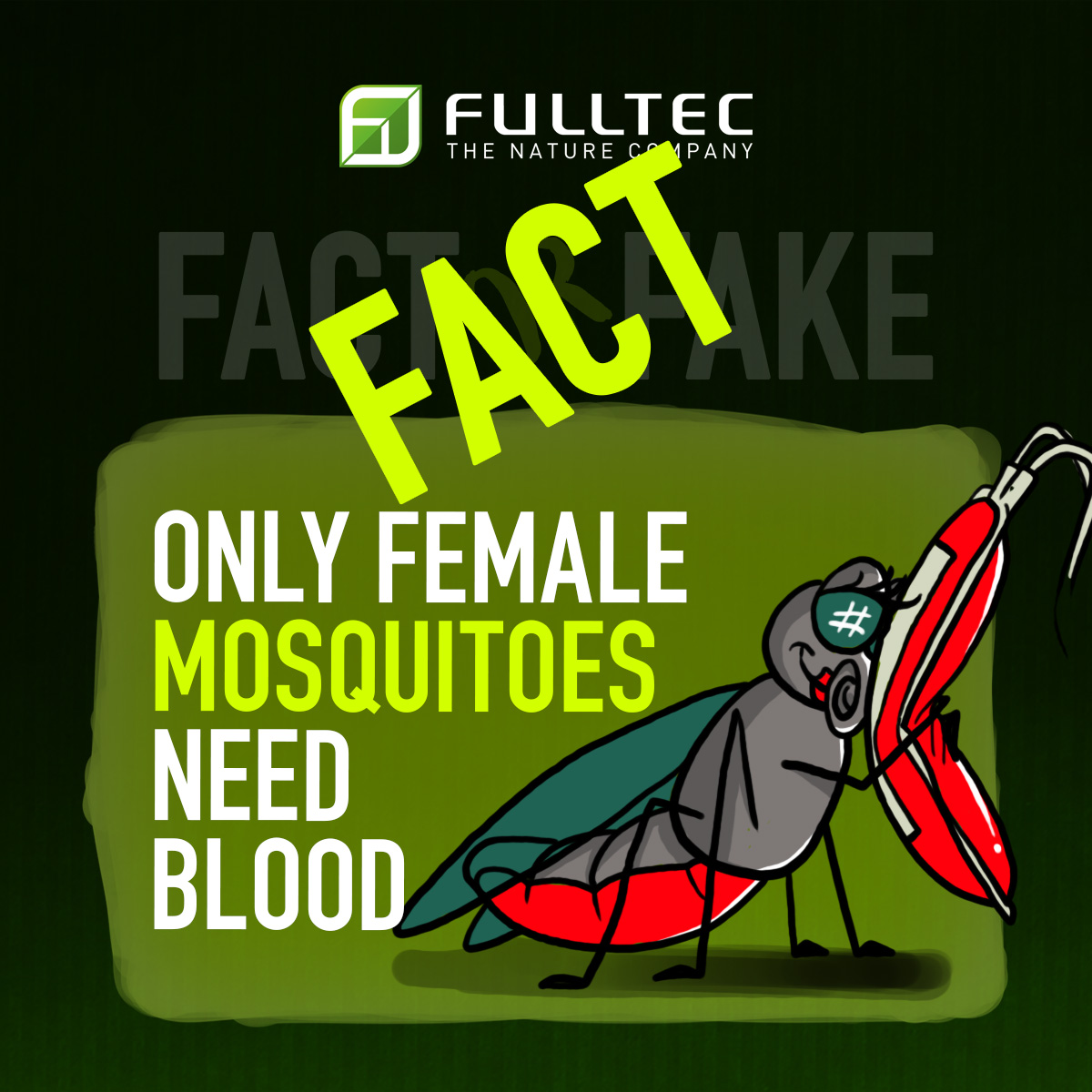
Are female mosquitoes really the only biters?

Of the approximately 3.600 mosquito species worldwide, it’s the females that need blood to develop their eggs. Male mosquitoes, however, don’t bite! Instead, they feed on plant nectar or damaged fruits. Both males and females rely on plant sugars for energy, especially for flying.

Fun Fact: In some mosquito species, like those in the Toxorhynchitinae family, both males and females are vegetarians, feeding only on nectar and plant sap.

So, while only females bite, both genders have a sweet tooth for plants!


View on LinkedIn

Fact or Fake

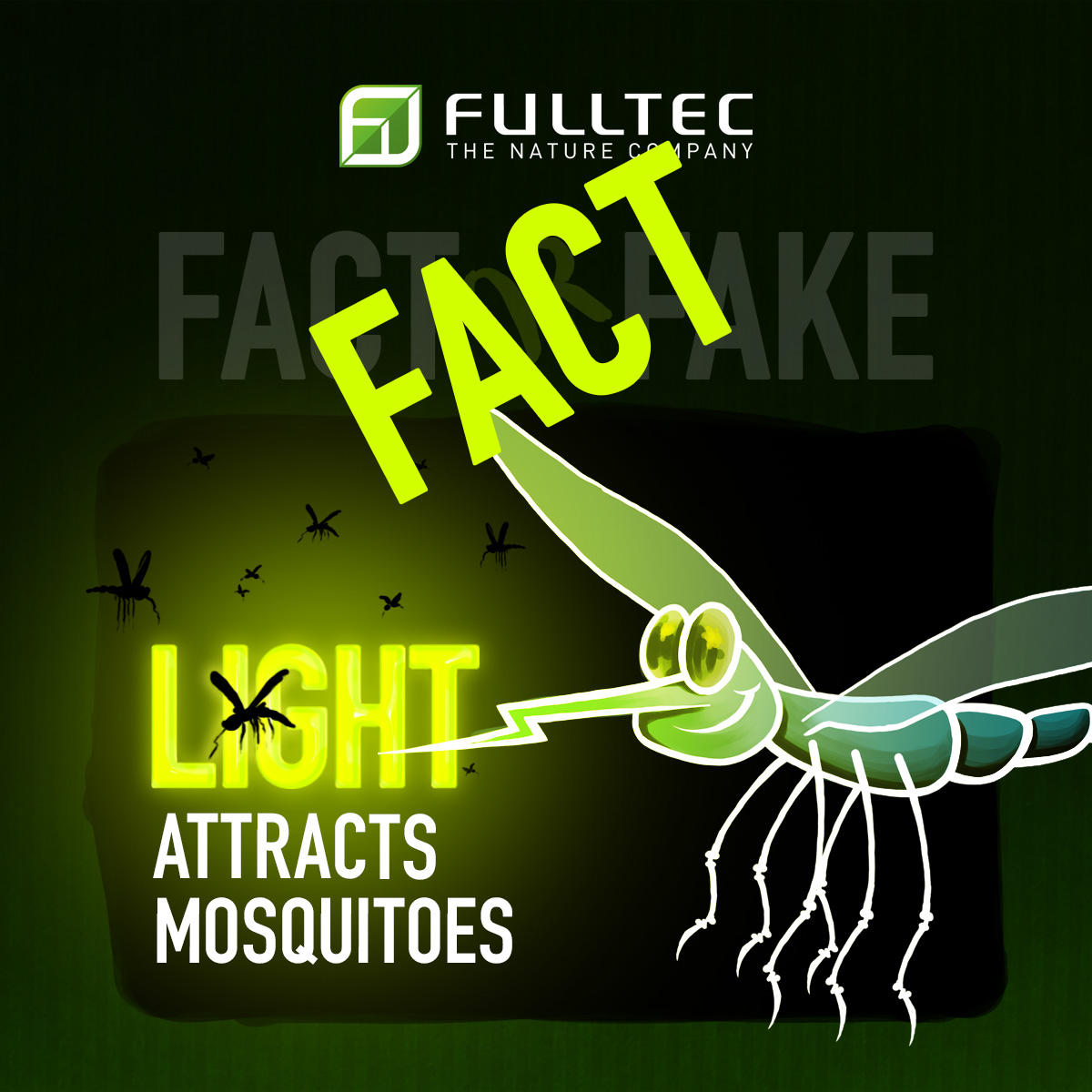
Does light really attract mosquitoes?

Many people believe that mosquitoes are attracted to light, but it’s not as simple as flipping a switch! While mosquitoes do detect light, it’s the type of light that matters most. They’re especially attracted to shorter wavelengths like UV, blue, and green light. Red and yellow light, however, don’t draw them in as much.

LED lights, often used in homes, don’t lure mosquitoes as much as traditional bulbs like incandescent or fluorescent lights. Why? Because LEDs don’t emit UV or infrared light. But in darker areas, mosquitoes can still be attracted to light, especially when there’s a noticeable contrast with the surroundings.

So, the next time you think it’s the light drawing in mosquitoes, remember: it's the wavelength and the environment that really matter!

View on LinkedIn

Fact or Fake

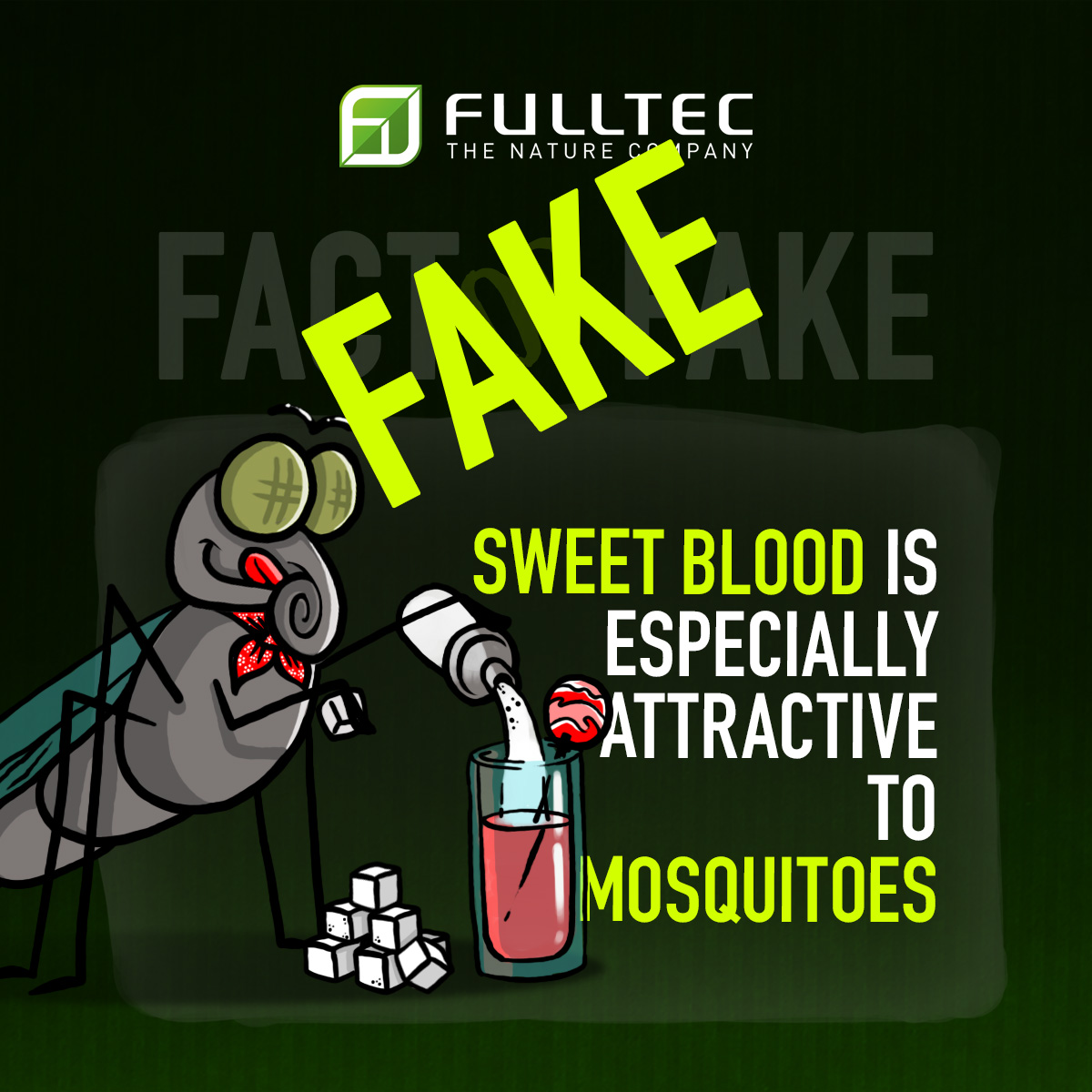
Does "sweet blood" really attract mosquitoes?

Let’s set the record straight: “Sweet blood” isn’t real! Your blood sugar levels have no effect on whether mosquitoes bite you. It’s all about your body odor. Factors like genetics, age, body size, and even the products you use shape your unique scent, which mosquitoes either love or leave behind.

Fun Fact: People with blood type 0 are especially attractive to the Asian tiger mosquito!

So, it’s not your “sweet blood” - it’s your personal scent profile that makes you a mosquito magnet.

View on LinkedIn

Fact or Fake

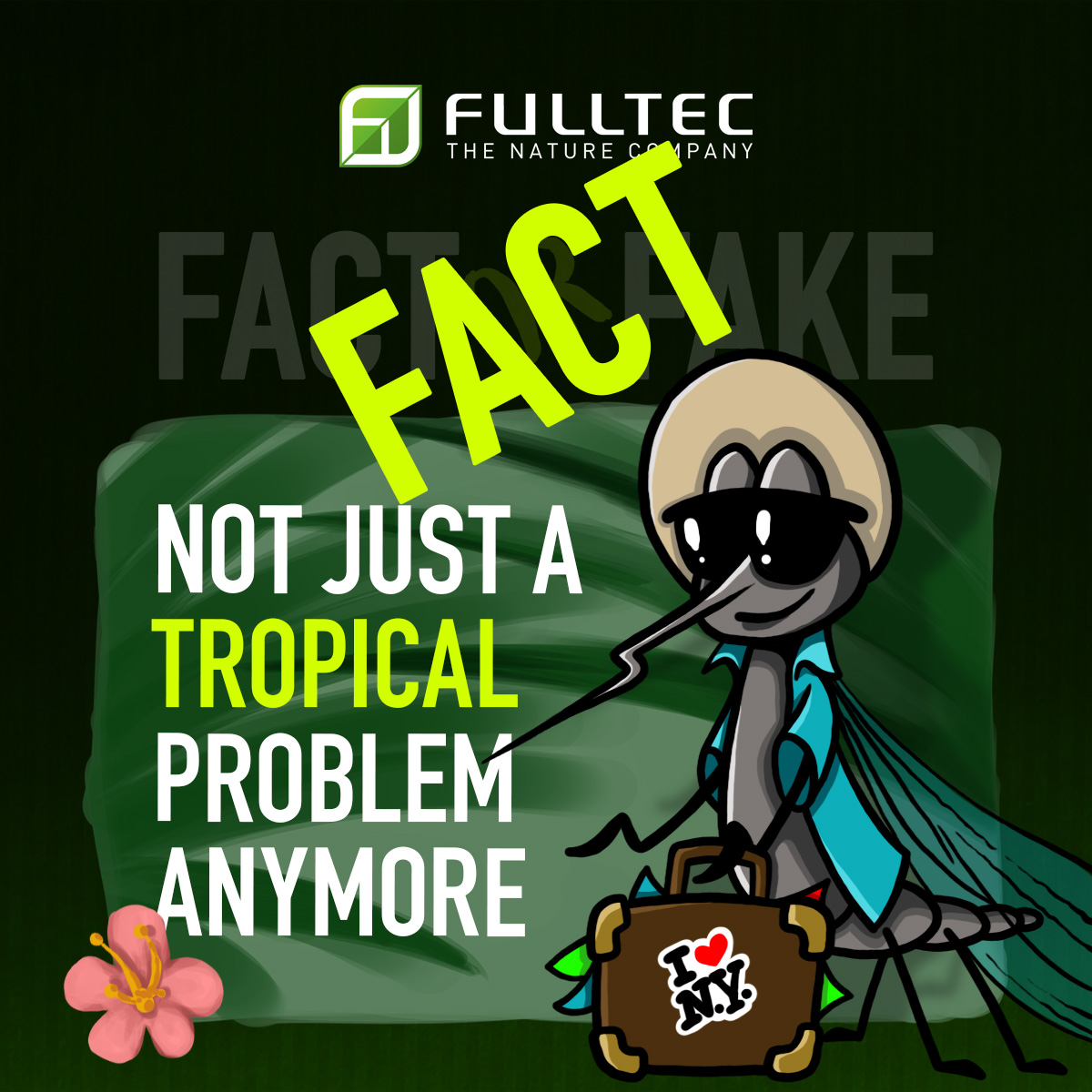
Are invasive mosquitoes really spreading in Europe?

Thanks to international trade, invasive mosquitoes like the Asian tiger mosquito are spreading across Europe. Originally from Southeast Asia, this mosquito arrived through used tires and lucky bamboo and its eggs survive European winters, letting populations grow.

Other species like the Asian bush mosquito and Korean bush mosquito - both tough enough for colder climates - are also expanding their range.

With milder winters and ongoing global movement, these non-native mosquitoes are here to stay. Awareness and action are key.

View on LinkedIn

Fact or Fake

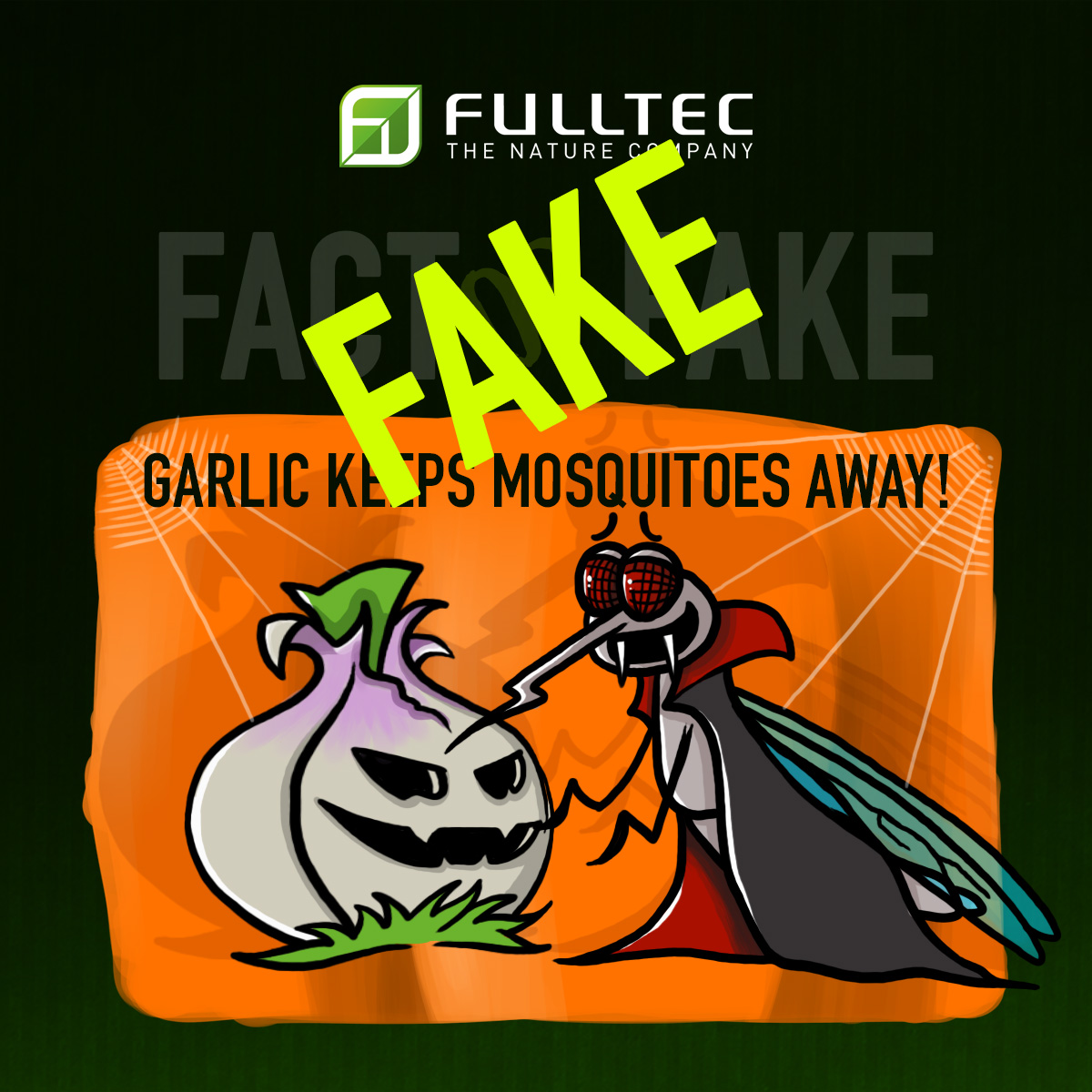
Does garlic really keep mosquitoes away?

It’s Halloween - the vampires are out.
But don’t count on garlic to save you from the real bloodsuckers…mosquitoes.

Despite the myth, eating garlic doesn’t protect you from bites. There’s no scientific proof that it keeps mosquitoes away.


So unless you’re trying to keep Dracula away tonight - leave the garlic in the kitchen.

View on LinkedIn

Fact or Fake

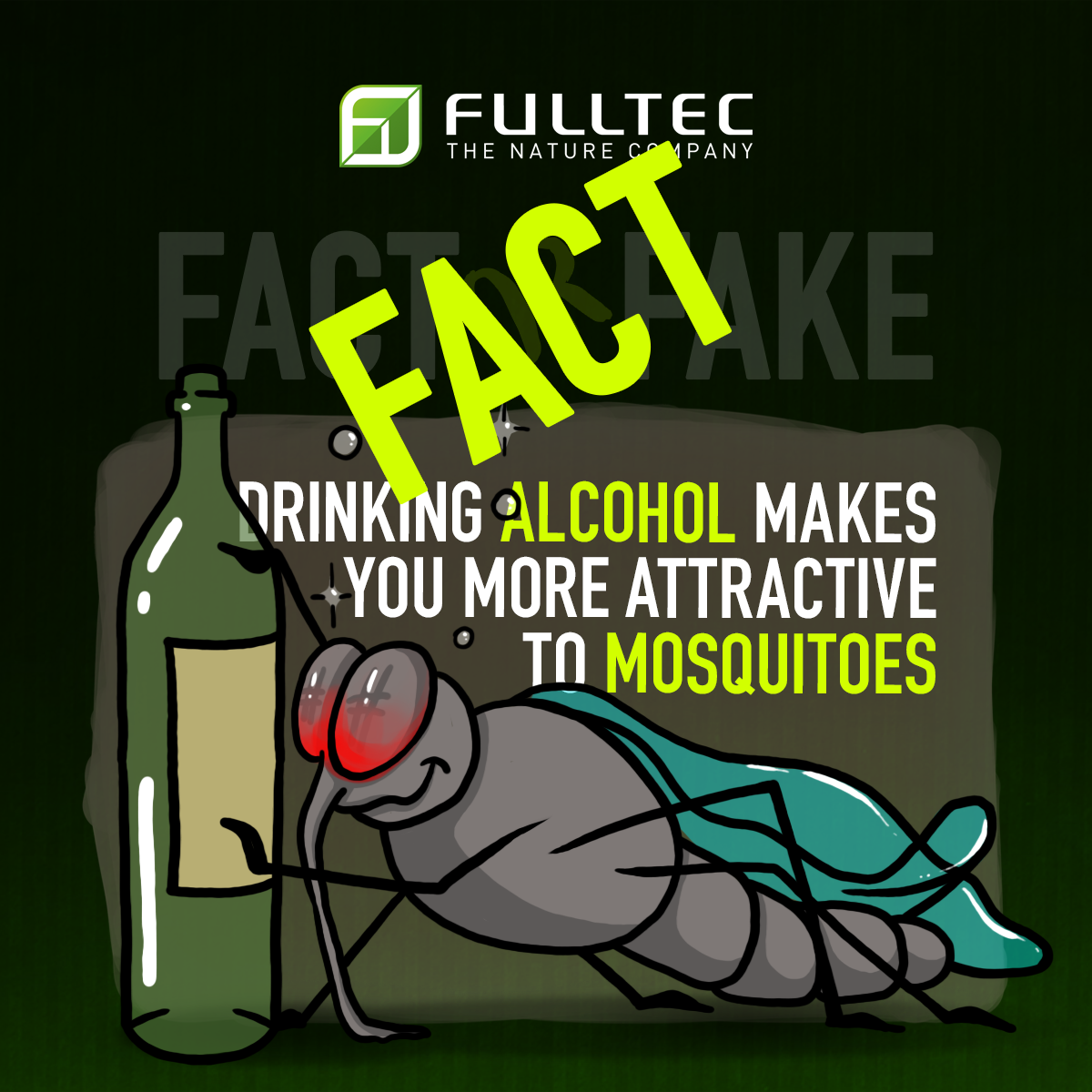
Does alcohol really attract mosquitoes?

Believe it or not, it’s true! Alcohol causes your blood vessels to expand, which increases body odor - something mosquitoes can’t resist. The more you drink, the more likely you are to get bitten.

Fun fact: Alcohol doesn’t actually raise your body temperature! While your blood vessels expand, your body releases heat, which can actually lower your temperature.

So, while you're enjoying that drink, be aware - mosquitoes might be toasting to you too!

View on LinkedIn

Fact or Fake

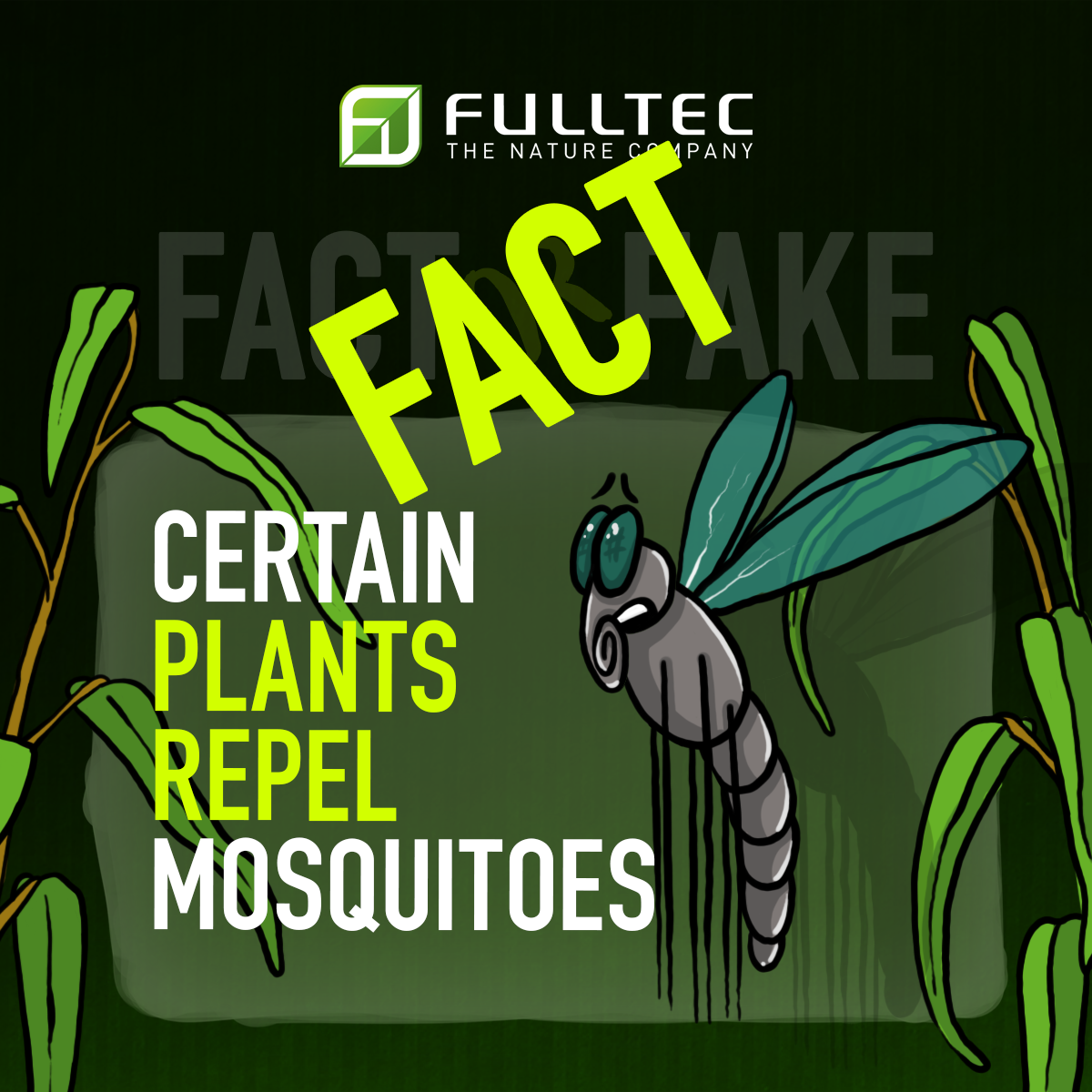
Can plants really keep mosquitoes away?

It’s true that plants like lavender, citronella, and basil contain essential oils known to repel mosquitoes. But while these oils have some repellent effects, simply using the plant or applying the oil directly isn't enough to offer complete protection against mosquitoes.

To be truly effective, these oils need to be processed and formulated properly. That’s why active substances like EC Oil (H/C), which refine these natural oils into an efficient repellent, provide the real protection you need.

So, while plant-based oils are a good start, only with the right formulation can they provide the lasting protection against mosquitoes you’re looking for.

View on LinkedIn

Fact or Fake

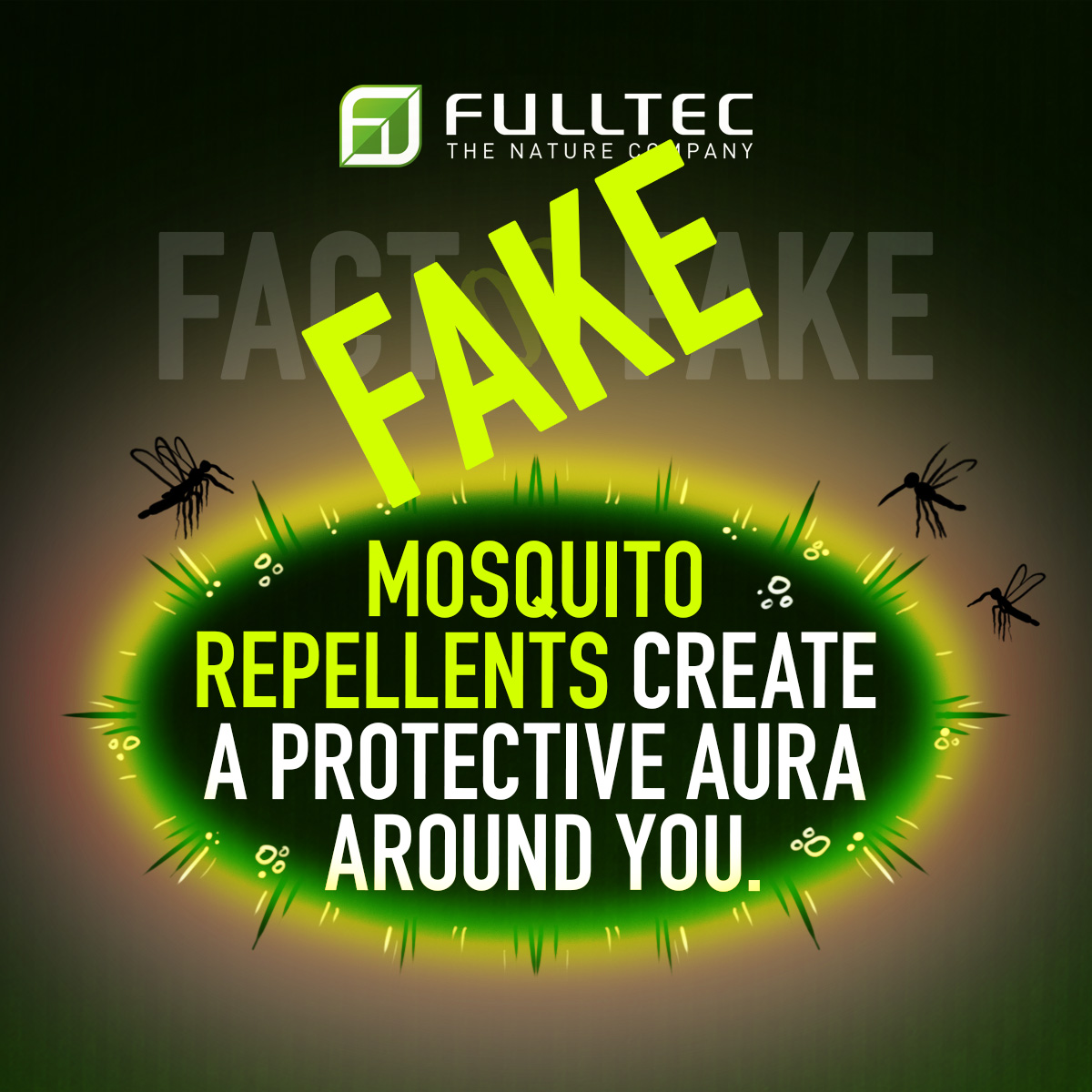
Can a mosquito repellent really create a protective shield?

Mosquito repellents don’t create an aura - they only protect the skin they’re applied to. Miss a spot? That’s where the mosquito lands.

They work by confusing the mosquito’s sense of smell, making it harder to detect and bite you. Whether the active substance is synthetic, like DEET or Icaridin, or plant-based, like lemon eucalyptus oil, their effect is local - not airborne.

So: Apply thoroughly. Don’t skip spots. And don’t fall for myths.

View on LinkedIn